
Flexible Customs Clearance
and Transport
Customs clearance of goods upon import-export
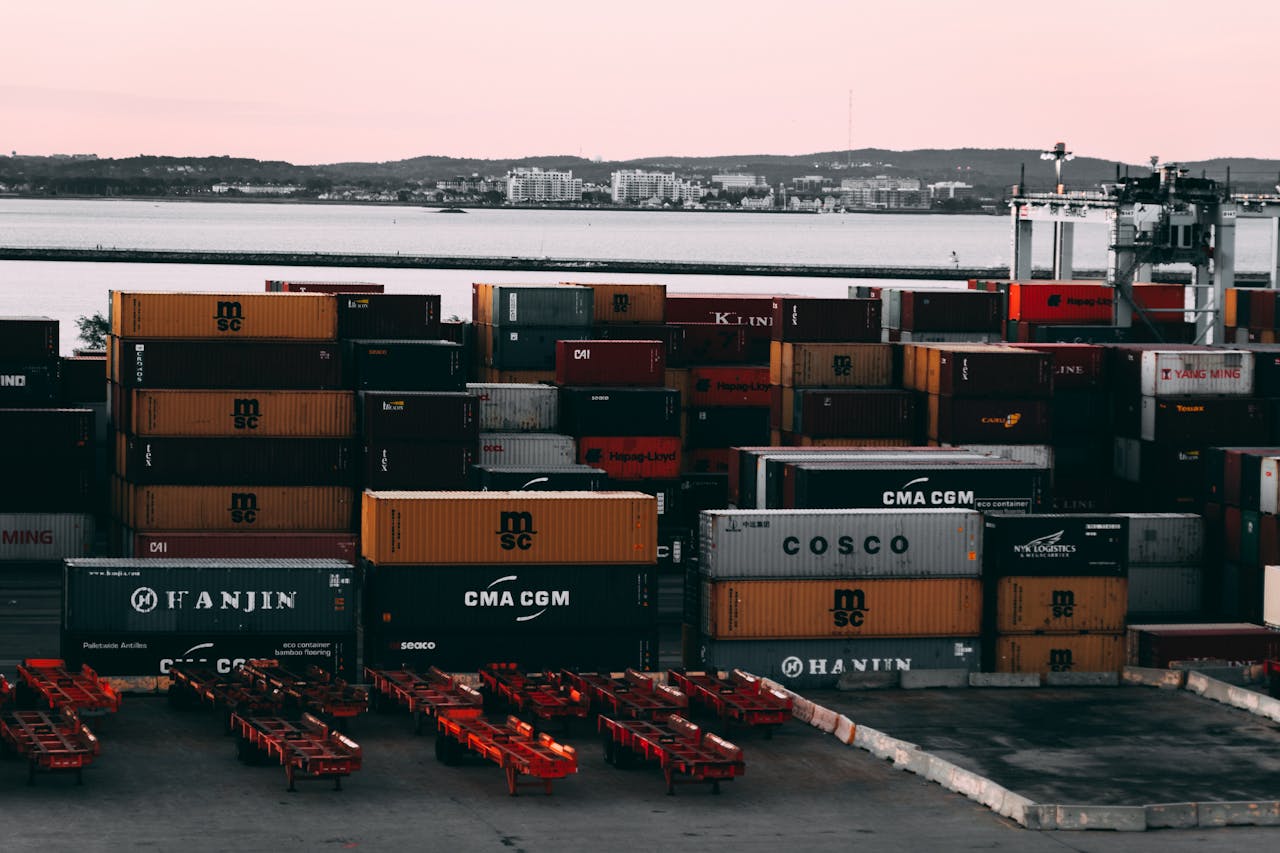
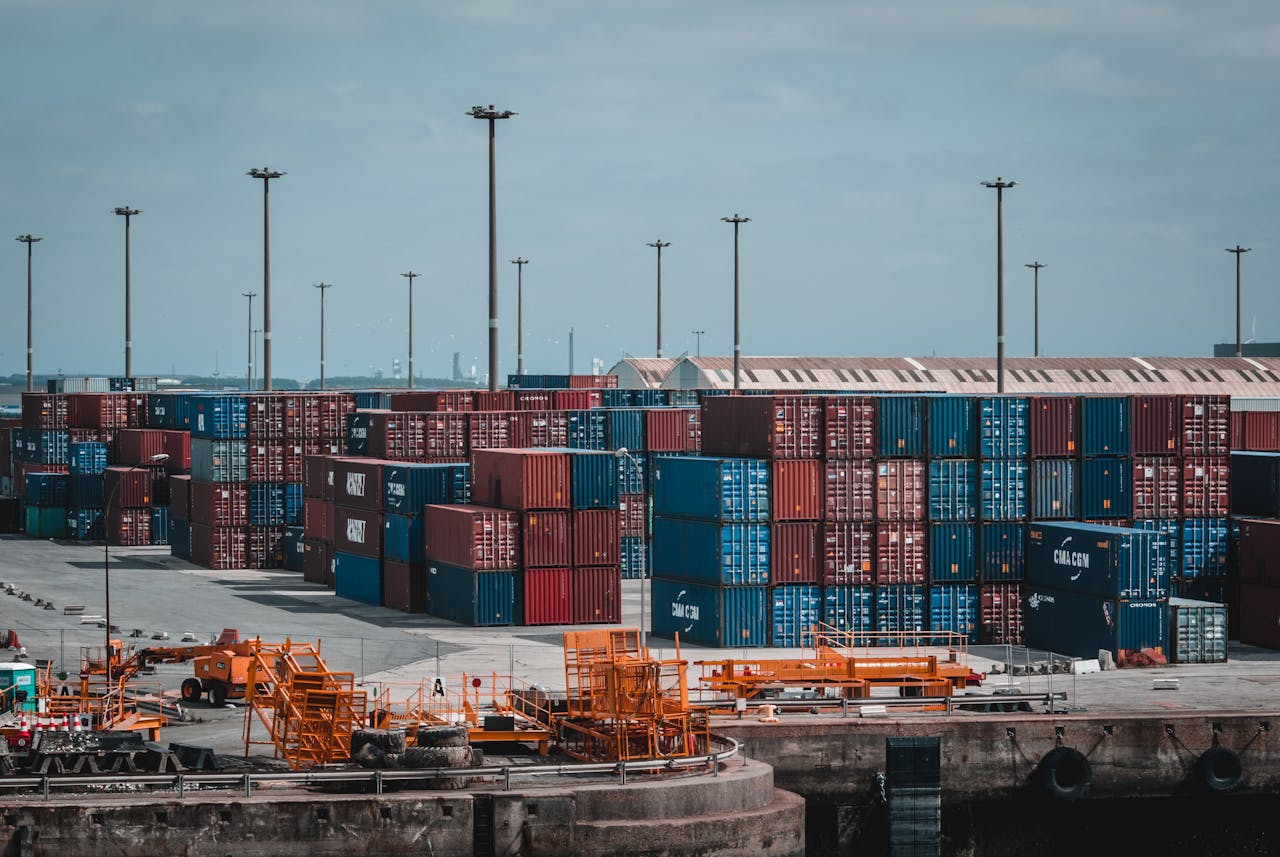
The customs clearance of goods, both upon import and export, is the process by which goods are placed under the control of a country's customs authorities. This process involves submitting the necessary documents, paying any duties and taxes, and complying with the country's regulations regarding the import of specific products. Upon export, there are no taxes or duties; a declaration is filed, and a permit is issued for the goods to leave the European Union. The goal of customs clearance is to ensure the legality of transactions, protect public health and safety, and collect the prescribed revenues for the state.
Provision of ships, aircraft and diplomatic missions
The provisioning of ships, aircraft, and diplomatic missions covers the supply of all necessary goods and services for their smooth operation. For ships, this includes food, fuel, technical equipment, and supplies for the crew. For aircraft, meals, beverages, fuel, and comfort items for passengers. Finally, diplomatic missions are supplied with office supplies, vehicles, food, and security items, often with exemptions from duties and taxes. In each case, provisioning requires timely and efficient management with high standards.
International and domestic transport and shipping agencies
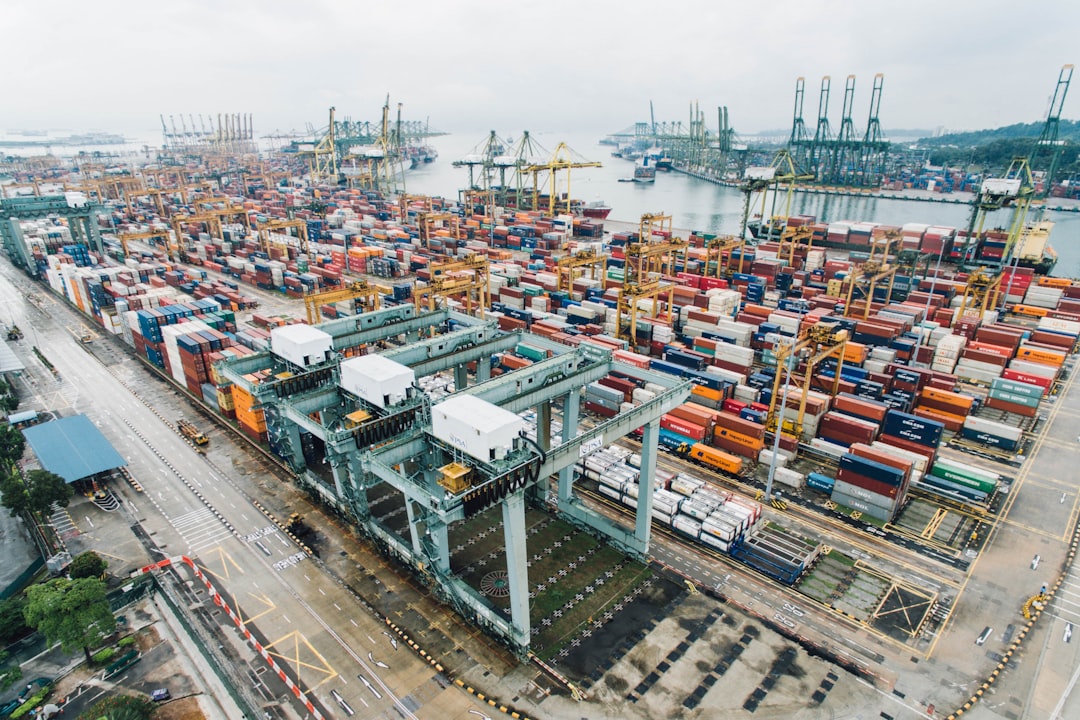
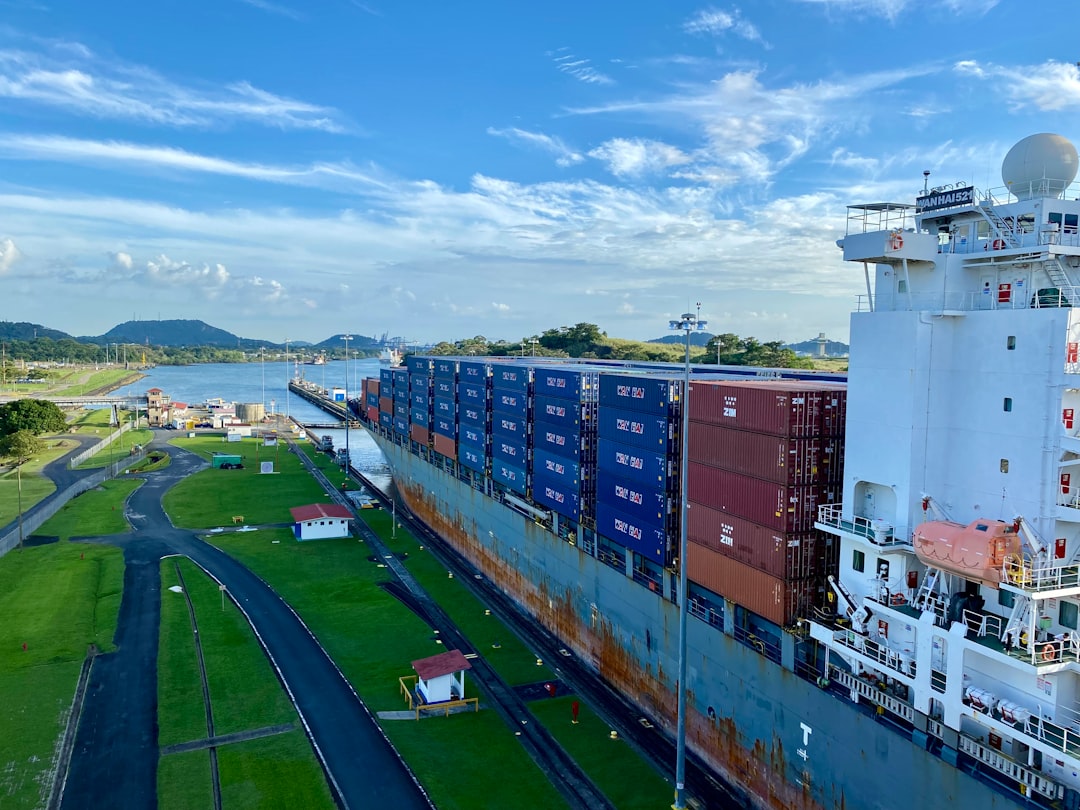
International and domestic transport involves the movement of goods at an international/national level, via sea, air, road, and rail networks. Agencies act as intermediaries, organizing transport, preparing documents, monitoring progress, and resolving problems, offering time/cost savings, process simplification, and security.
Car customs clearance during import-export
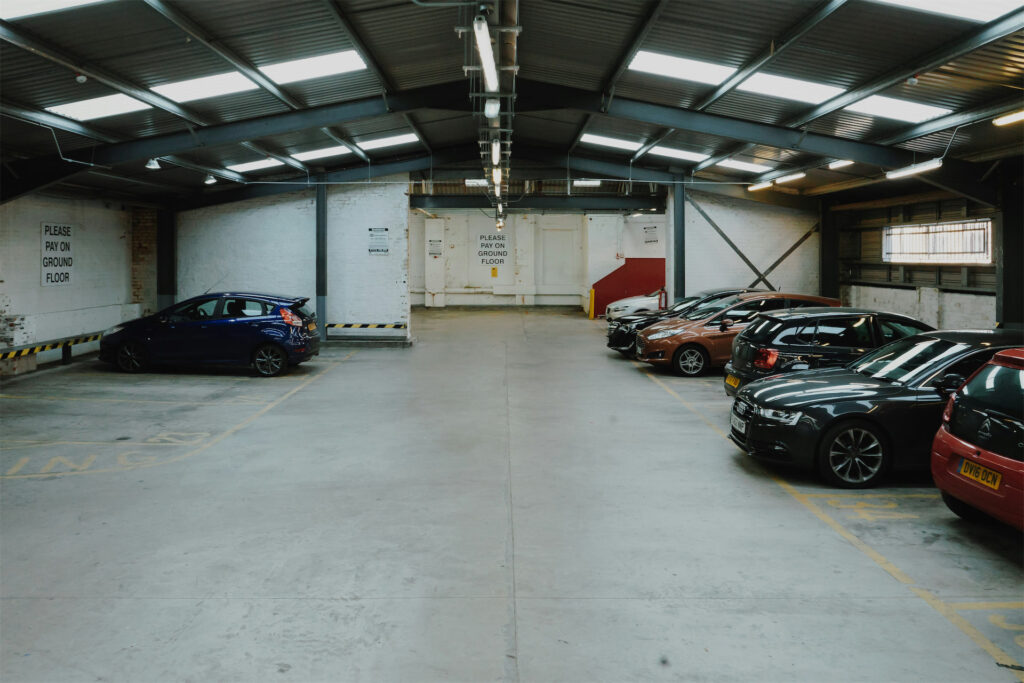
Car customs clearance (import/export) involves checks by customs authorities for compliance with the law. It requires the submission of documents, payment of duties/taxes and registration fees, as well as a compliance check. Upon import, a new registration certificate is issued, while upon export, tax refunds may apply. Procedures vary by country and the use of a customs broker is recommended.
Transit - Transshipment,
Freight transit
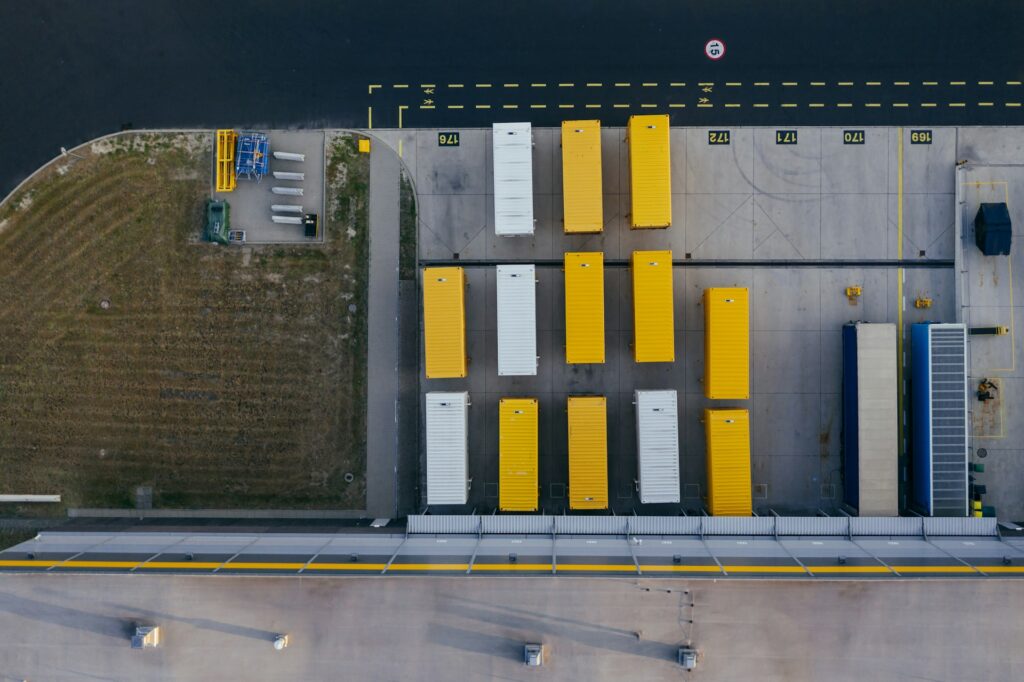
Transit refers to the movement of goods from one point in the European Union to another, crossing an intermediate country. The goods remain under customs control during their transit, but are not cleared through customs in the intermediate country. Typically, goods are sealed or placed in special compartments to prevent tampering with the procedure.
Transshipment involves changing the means of transport at an intermediate point (e.g., port, airport) before continuing their journey to the final destination. Transshipment can be part of a larger transit.
Customs warehousing of goods and monitoring
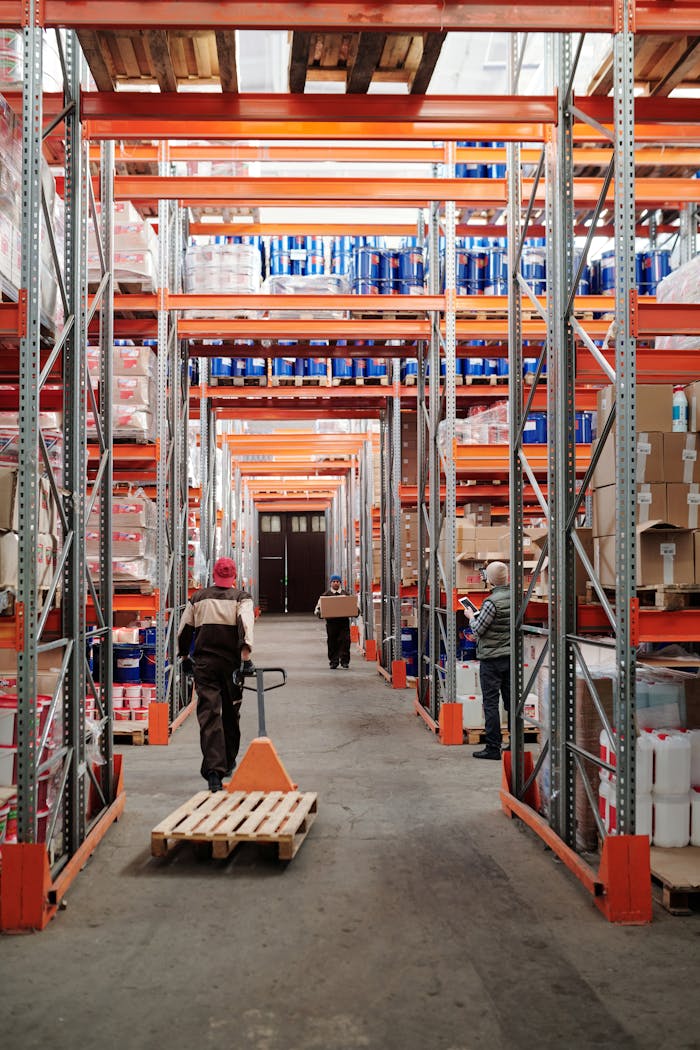
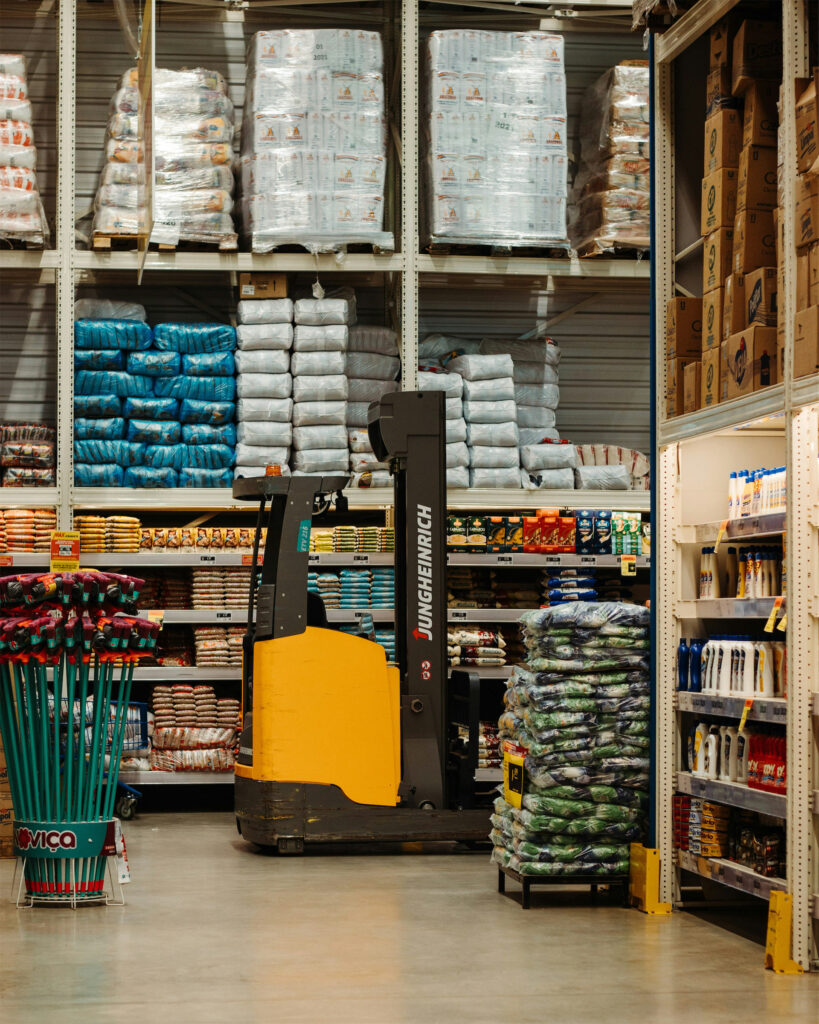
Customs warehousing of goods is a process whereby goods are stored in special facilities, under the supervision of customs authorities, without the payment of duties and taxes. This process allows businesses to defer the payment of duties and taxes until the moment the goods enter the country's market or are exported to another country.

Consulting services for international trade and customs clearance issues
International trade and customs clearance consulting services provide specialized guidance and support to businesses involved in international trade activities. These services cover a wide range of topics, from understanding complex customs procedures and risk management to developing strategies for supply chain optimization in order to reduce cost and time.